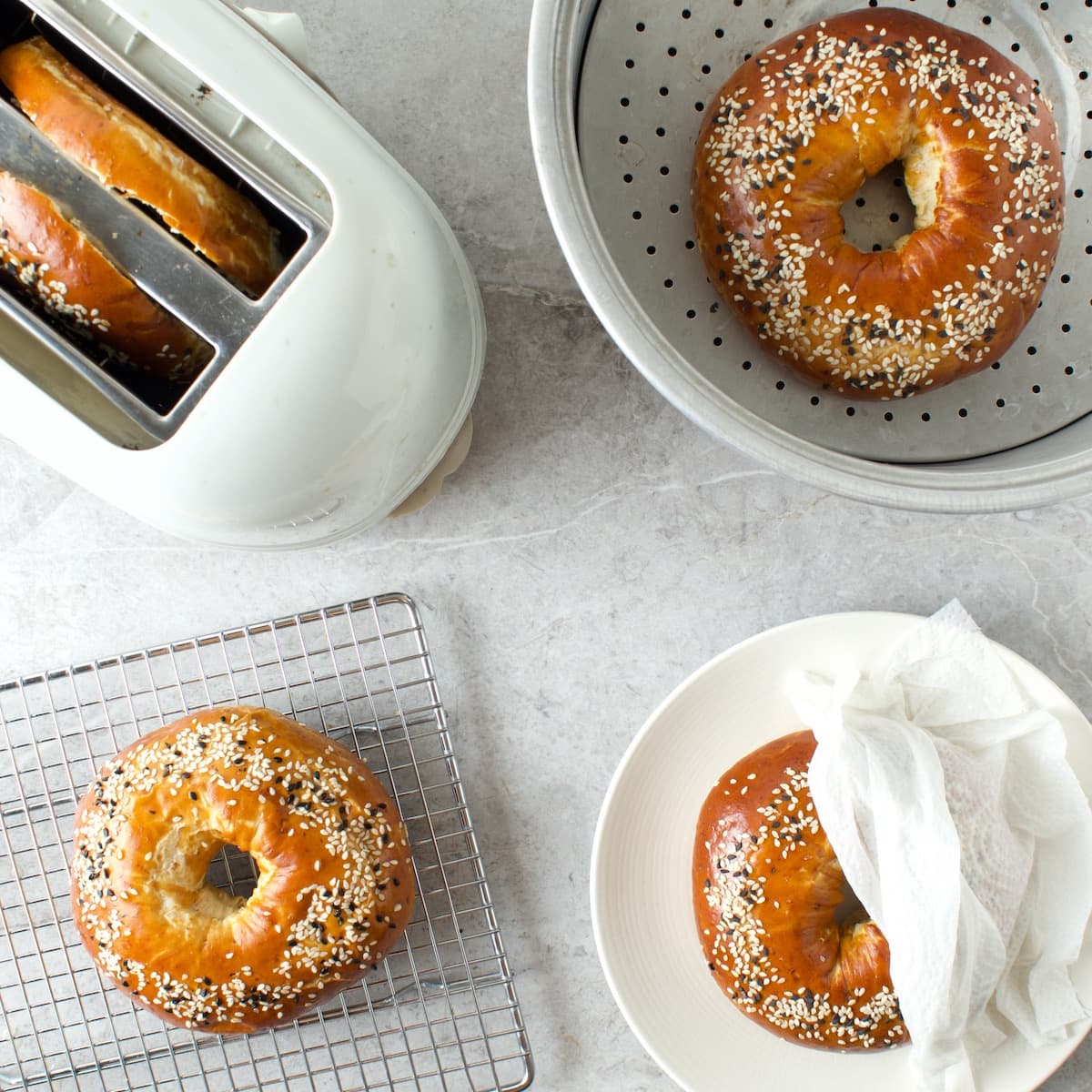
There's nothing quite like a fresh bagel: a perfectly crisp, chewy exterior giving way to a soft, warm interior. Whether it's the slightly sweet, dense bite of a Montreal bagel straight from the wood-fired oven or the classic fluffy chew of a New York-style ring, a fresh bagel is a culinary delight. But what happens when that blissful freshness fades, and you're left with a bagel that's more rock-hard than ready to eat? Don't despair, and certainly don't toss it! Learning how to soften day old bagels is a game-changer, transforming sad, stale circles into delicious, edible treats once more. In this comprehensive guide, we'll put the top revival methods to the test: steaming, oven-baking, and microwaving, helping you achieve near-fresh perfection every time.
The journey to revive a stale bagel begins with understanding why they go stale in the first place. Bread, including bagels, goes stale not primarily because it dries out, but due to a process called starch retrogradation. As bread cools, the starch molecules crystallize, making the bread hard and brittle. Reheating, especially with moisture, helps to reverse this process, rehydrating the starches and bringing back that coveted softness and chewiness. So, grab those forgotten bagels; we're about to bring them back to life!
The Ultimate Stale Bagel Showdown: Steaming vs. Oven vs. Microwave
When faced with a hardened bagel, many people instinctively reach for the toaster. While excellent for crisping up an already soft bagel, direct toasting often exacerbates the dryness in a truly stale one, leaving you with a crunchy, desiccated interior. The key to revival is rehydration. We've put three popular methods to the test, and here's how they stack up.
Method 1: The Steaming Sensation (Best Overall for Rescuing Stale Bagels)
Steaming is hands down the champion for reviving stale bagels, delivering results closest to freshly baked. This method gently reintroduces moisture throughout the bagel, rehydrating the starches without overcooking the exterior or turning it rubbery. The result is a bagel with a wonderfully soft, chewy interior and a delicate exterior.
How to Steam a Stale Bagel:
- Prepare Your Steamer: You can use a dedicated steamer basket, a bamboo steamer, or even a simple metal colander placed over a pot of simmering water. Ensure the water level is below the bottom of the steamer/colander.
- Place the Bagel: Once the water is simmering and producing steam, place the entire stale bagel into the steamer.
- Steam Away: Cover the steamer (or the pot if using a colander) and let the bagel steam for 3-5 minutes. For particularly dense or large bagels, you might go up to 6 minutes.
- Check for Softness: Carefully remove the bagel. It should feel significantly softer to the touch, and when you gently squeeze it, you'll feel its renewed springiness.
- Serve Immediately: Slice and serve your beautifully revived bagel. The effects of steaming are best enjoyed right away.
Expert Tip: For an even more intense rehydration, you can lightly mist the bagel with water before placing it in the steamer. This method truly shines in bringing back that signature chew, making it our top recommendation for anyone wondering Don't Toss It! Soften Hard Bagels for Near-Fresh Taste.
Method 2: Oven Revival (A Close Second for Near-Fresh Results)
If you don't have a steamer or prefer a method that can add a touch of crispness back to the crust while softening the interior, the oven is an excellent alternative. This method still relies on moisture to rehydrate the bagel but uses dry heat to finish, mimicking the bakery experience more closely.
How to Soften Stale Bagels in the Oven:
- Preheat Your Oven: Set your oven to 350°F (180°C).
- Hydrate the Bagel: This step is crucial. Briefly run the entire bagel under cold tap water for 5-10 seconds. You want the surface to be damp, not soaking wet. Alternatively, you can spritz it generously with water from a spray bottle.
- Wrap or Not to Wrap: For maximum softness, wrap the damp bagel loosely in aluminum foil. This traps the steam created by the surface water. If you prefer a slightly crisper crust, you can bake it unwrapped, though the interior might be slightly less soft.
- Bake to Perfection: Place the bagel directly on the oven rack (if unwrapped) or on a baking sheet (if wrapped). Bake for 5-7 minutes. If wrapped in foil, carefully unwrap it for the last minute or two to allow any trapped moisture to escape and the crust to crisp slightly.
- Enjoy! Remove from the oven and serve immediately. The exterior will be warm and inviting, and the interior beautifully soft.
Insight: The oven method is fantastic for large batches or when you want a little more control over the final texture, bridging the gap between softness and a pleasant crust.
Method 3: Microwave Magic (The Quick Fix with a Caveat)
The microwave is undeniably the quickest way to soften a day-old bagel, making it perfect for those frantic mornings. However, it comes with a significant caveat: without careful execution, microwave-softened bagels can quickly turn tough and chewy rather than soft and springy. The trick is to use minimal moisture and very short bursts of heat.
How to Soften a Stale Bagel in the Microwave:
- Prepare Your Plate: Place the hard bagel on a microwave-safe plate.
- Add a Splash of Water: This is where the magic happens. Sprinkle 8-10 drops of water directly onto the plate around the bagel, or if you prefer, lightly dampen a paper towel and wrap it around the bagel. The goal is to create a small amount of steam, not to saturate the bagel itself.
- Microwave in Short Bursts: Microwave for 20-30 seconds on high. For extremely hard bagels, you might need an additional 10-15 seconds, but always check after the first burst.
- Check and Serve: The bagel should feel warm and soft. If it's still hard, give it another 10 seconds. Be cautious not to overdo it, as this is when the bagel can turn rubbery.
- Immediate Gratification: Enjoy your quickly revived bagel right away.
Personal Experience: We found this method particularly effective, especially with the "sprinkling water on the plate" technique, which was a hack we encountered during a trip to Montreal, famous for its unique bagels (like Fairmount and St-Viateur). It mimics a gentle steaming process within the microwave. For a deeper dive into this specific trick, explore Revive Day-Old Bagels: The Simple Microwave Water Trick.
Beyond the Big Three: Other Methods & Why They Fall Short (or Have Specific Uses)
While steaming, oven-baking, and microwaving are the most effective for full bagel revival, you might encounter other suggestions. Here’s why they generally aren't recommended for truly stale bagels:
- Toaster: As mentioned, direct toasting often dries out the interior of a stale bagel, making it even harder to chew. Best reserved for crisping up an already soft bagel.
- Skillet: While excellent for making a bagel sandwich with a buttery, toasted cut side, using a skillet won't effectively rehydrate a whole, stale bagel. It's more about adding flavor and texture to the cut surface.
- Dipping: Some suggest quickly dipping a bagel in water. While it adds surface moisture, it doesn't penetrate deeply enough to rehydrate the interior starches thoroughly, making it a less effective overall softening method compared to steaming or oven-baking.
Mastering the Art of Bagel Revival: Expert Tips & Insights
Bringing a stale bagel back to life is more than just a culinary trick; it's a testament to minimizing food waste and maximizing deliciousness. Here are some additional tips and insights to perfect your bagel revival skills:
The Montreal Bagel Standard
Reflecting on truly fresh bagels, like the iconic Montreal bagels from Fairmount or St-Viateur, helps set the benchmark. These thin, dense, slightly sweet, and unbelievably chewy bagels are best enjoyed piping hot, straight from the wood-fired oven. While no revival method will perfectly replicate that "fresh-out-of-the-shop" experience (especially 24 hours later, even the slightly softer Fairmount bagels lose their initial magic), the goal is to get "very, very close." The difference between a fresh Montreal bagel and even a day-old one highlights the importance of effective softening techniques.
General Tips for Optimal Softening
- Act Fast: The fresher the "day-old" bagel, the better the revival results will be. Severely desiccated bagels that have been sitting out for days might be beyond salvation for eating plain, though they can still be repurposed (see below).
- Don't Overdo It: Whether steaming, baking, or microwaving, too much heat or moisture can turn a bagel gummy, rubbery, or rock-hard once it cools again. Follow the recommended times closely.
- Serve Immediately: Rehydrated bagels tend to lose their softness quickly as they cool and the starches retro-grade again. For the best experience, slice and enjoy your revived bagel as soon as it's ready.
- Slice After Softening: It's often easier and safer to slice a soft bagel than a hard, potentially crumbly one.
Preventing Stale Bagels in the First Place
While reviving bagels is great, preventing them from going stale is even better:
- Airtight Storage: As soon as bagels cool from the bakery, store them in an airtight container or zip-top bag at room temperature for 1-2 days.
- Freezing for Longer Storage: For anything longer than a couple of days, slice bagels in half and freeze them in an airtight freezer bag. They can last for months this way. To enjoy, simply toast directly from frozen or thaw and use one of the softening methods.
What If They're Too Far Gone?
Even the best techniques can't save every bagel. If your bagels are truly ancient and beyond comfortable eating, don't throw them out! Repurpose them into:
- Bagel Chips: Slice thinly, brush with olive oil and seasonings, then bake until crispy.
- Breadcrumbs: Process in a food processor, then toast in the oven until dry and golden.
- Croutons: Cube, toss with oil and seasonings, and bake until crunchy.
Learning how to soften day old bagels opens up a world of possibilities, ensuring that no good bagel ever goes to waste. Whether you opt for the superior results of steaming, the convenience of the oven, or the speed of the microwave, you now have the tools to transform a dry, hard bagel into a wonderfully soft and satisfying treat. So next time you find a forgotten bagel, embrace the challenge, and enjoy the delicious reward!
