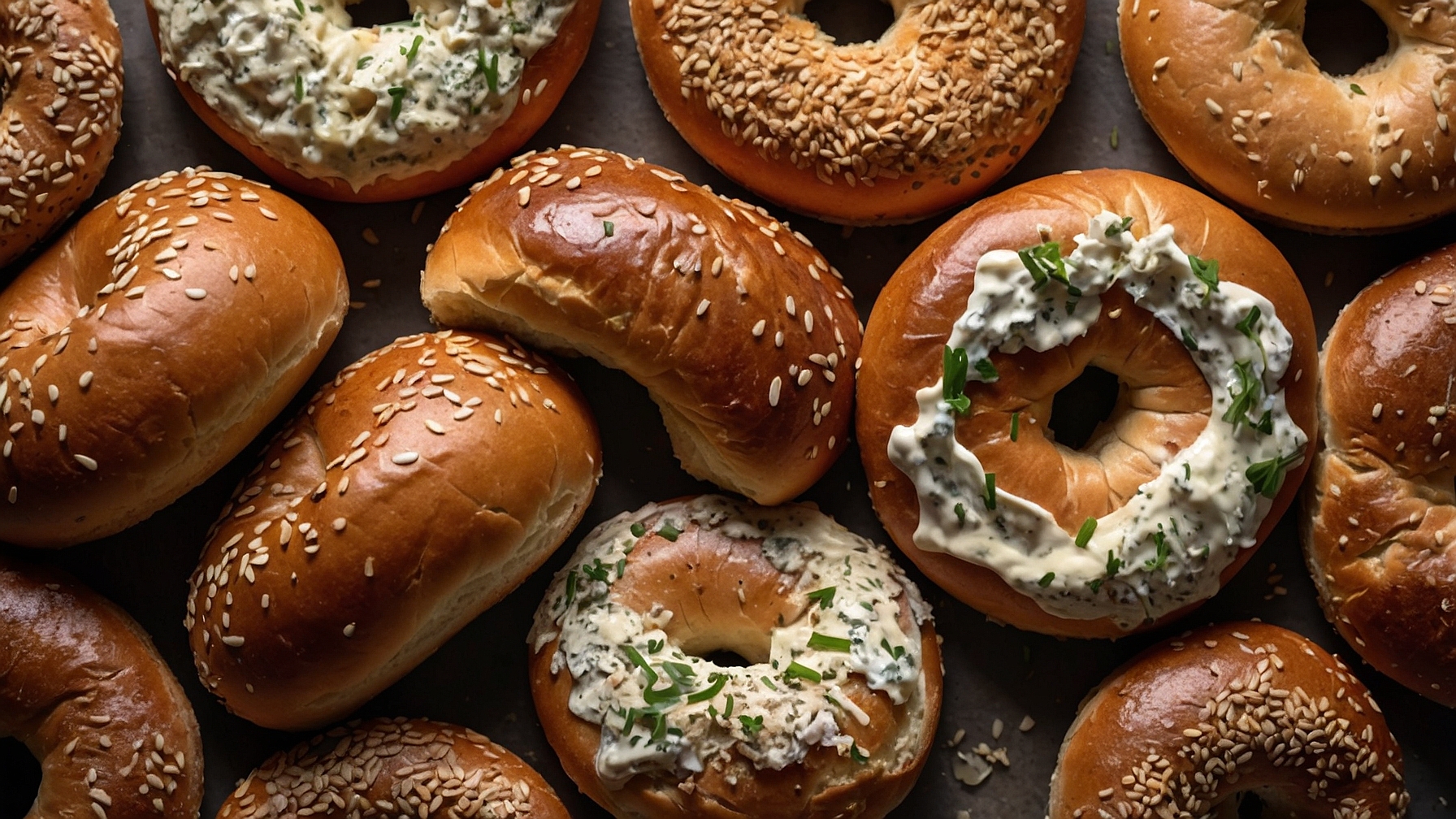
Revive Day-Old Bagels: The Simple Microwave Water Trick
There's nothing quite like the experience of biting into a perfectly fresh bagel: the crisp, golden crust giving way to a warm, chewy interior. Whether it's a dense, slightly sweet Montreal-style gem straight from a wood-fired oven or a plump, fluffy New York classic, that initial bite is pure bliss. But what happens when that moment of glory passes? When the remaining bagels from your bakery haul sit overnight, transforming from chewy perfection into disheartening, rock-hard discs? The thought of tossing them can feel like a culinary crime, especially when you know there's still deliciousness hidden within.
Fortunately, you don't have to surrender to the tyranny of the stale bagel. With a few simple tricks, you can bring these hardened heroes back from the brink, restoring much of their former glory. While no method can perfectly replicate that "fresh out of the oven" experience, one incredibly quick and easy technique stands out for its simplicity and effectiveness: the microwave water trick. If you've ever wondered
how to soften day old bagels without complicated equipment, this hack is about to become your new best friend.
The Culinary Heartbreak of a Stale Bagel (and Why We Never Give Up!)
Imagine wandering through the vibrant neighborhoods of Montreal, the aroma of baking bread filling the air. You stumble upon an iconic bagel shop, perhaps Fairmount or St-Viateur, renowned for their sesame seed masterpieces. You bite into a piping hot bagel – crisp on the outside, delightfully chewy and subtly sweet within. It’s an experience that leaves an indelible mark, highlighting just how magnificent a fresh bagel can be.
The problem, of course, is that this peak freshness is fleeting. Bagels, like most baked goods, begin to lose moisture the moment they cool. This process, known as retrogradation, causes the starch molecules to recrystallize, leading to that undesirable hard, rubbery, or crumbly texture we associate with staleness. It’s a natural process, but it doesn't mean your delicious, uneaten bagels are destined for the bin.
For anyone who cherishes good food, the idea of wasting a perfectly good bagel is heartbreaking. That's why understanding
how to soften day old bagels isn't just about convenience; it's about culinary respect and making the most of every delicious bite. While you might not achieve
exactly the same texture as a bagel pulled straight from a Montreal wood-fired oven, these methods get remarkably close, making your day-old treat enjoyable once more.
The Microwave Water Trick: Your Quick Fix for Day-Old Bagels
When time is of the essence and hunger calls, the microwave water trick is an unparalleled solution for reviving a stale bagel. It's fast, requires minimal effort, and uses an everyday kitchen appliance to transform your hard bagel into something wonderfully soft and chewable. The magic lies in the rapid rehydration provided by the steam generated in the microwave.
Here's exactly how to soften day old bagels using this simple method:
1.
Grab Your Bagel: Place the hard, stale bagel directly on a microwave-safe plate. You can use a paper plate or a ceramic one.
2.
Add the Moisture: Take a few drops of water (think 8-10 drops) and sprinkle them directly onto the plate around the base of the bagel. *Crucially, do NOT soak the bagel or run it under water for this method.* The goal is to create a small amount of steam, not to saturate the bread.
3.
Microwave It: Place the plate and bagel into the microwave. Heat on high for 30 seconds.
4.
Check and Enjoy: Carefully remove the bagel from the microwave. It should now be significantly softer and more pliable. You might even feel a slight warmth from the steam. Enjoy your revived bagel immediately!
Why It Works: The Science of Steam
When you microwave a small amount of water, it quickly turns into steam. This steam gets trapped around the bagel, penetrating its porous structure and rehydrating the dried-out starch molecules. This process effectively reverses some of the effects of staling, making the bagel soft and chewy again. While incredibly effective, it's worth noting that this method can sometimes lead to a slightly chewier texture than steaming or oven methods, but it's a small trade-off for speed and convenience.
Pro Tips for the Microwave Method:
*
Don't Overdo the Water: Too much water will make your bagel soggy, not soft. A few drops are sufficient.
*
Adjust Timing: Microwave strengths vary. If your bagel isn't quite soft enough after 30 seconds, try another 10-15 seconds. Be careful not to overheat, as this can dry it out further or make it rubbery.
*
Cover for Better Steam: For even better results, you can place a microwave-safe cover or a damp paper towel over the bagel before microwaving. This helps trap the steam more effectively.
*
Slice After Softening: If your bagel is very hard, it's often easier and safer to soften it whole and then slice it, rather than struggling to cut a rock-hard bagel.
Beyond the Microwave: Exploring Other Rehydration Methods
While the microwave water trick is fantastic for a quick fix, it's not the only way
how to soften day old bagels. Different methods offer varying degrees of softness and can be better suited depending on your desired outcome and the time you have available. For a deeper dive into these methods, check out our
Stale Bagel Showdown: Steaming vs. Oven vs. Microwave.
Here are some other popular and effective techniques:
*
Steaming (Best Overall for Near-Fresh Results)
If you have a steamer basket or a bamboo steamer, this method often yields the best results, creating a beautifully soft and fluffy bagel.
*
Method: Place the whole bagel in a steamer basket over simmering water (ensure the water doesn't touch the bagel). Cover and steam for 3-4 minutes.
*
Why it's great: The gentle, moist heat thoroughly rehydrates the bagel without drying out the exterior, making it wonderfully soft and springy, very close to its original texture.
*
Oven Method (Almost as Good as Fresh)
The oven method is another excellent choice, especially if you're reviving multiple bagels or prefer a slightly crisper exterior.
*
Method: Briefly run the entire bagel under cool tap water (just enough to dampen the exterior, don't soak it). Wrap it loosely in aluminum foil. Heat in a preheated oven at 350°F (180°C) for 5-7 minutes.
*
Why it's great: The foil traps the moisture, steaming the bagel from within, while the oven's dry heat can help restore some crispness to the crust if unwrapped for the last minute. This delivers near-fresh results.
*
Toaster (Quick, But Best for Sliced Bagels)
While a toaster is great for adding crispness, it's not ideal for *softening* a whole, truly stale bagel, as it tends to dry out the interior.
*
Method: Best used for already sliced bagels that are only slightly stale. Lightly dampen the cut sides before toasting to reintroduce some moisture, then toast as usual.
*
Why it's okay: Good for minor staleness and achieving a crispy, warm exterior, but won't fully rehydrate a hard bagel.
*
Skillet (Buttery, More for Crisping Than Softening)
Using a skillet can add a delicious buttery flavor and crisp texture, but it’s less about full rehydration and more about making a stale bagel enjoyable in a different way.
*
Method: Slice the bagel. Melt butter or olive oil in a skillet over medium heat. Place the bagel halves cut-side down and toast until golden and crispy. You can cover the skillet for a minute or two to trap some steam and soften it slightly.
*
Why it's okay: Great for adding flavor and a different texture, but won't revive a very hard bagel to its original softness.
Each method has its strengths, but for sheer speed and convenience, the microwave water trick for
how to soften day old bagels remains an undeniable winner in many households.
Maximizing Your Bagel's Lifespan: Storage Tips
Prevention is always better than cure, even when it comes to stale bagels. Understanding how to properly store your bagels can significantly extend their freshness, reducing the need to revive them in the first place. For more comprehensive strategies to save your hardened bagels, explore
Don't Toss It! Soften Hard Bagels for Near-Fresh Taste.
Here are some key storage tips:
*
Airtight is Key: The main enemy of freshness is air exposure, which leads to moisture loss. Store bagels in an airtight container or a heavy-duty resealable plastic bag at room temperature for up to 2-3 days.
*
Avoid the Refrigerator: While tempting, avoid storing bagels in the refrigerator. The cool temperatures actually accelerate the staling process (starch retrogradation) for bread products, making them go hard faster.
*
Freezing for Long-Term Storage: For anything you won't eat within a couple of days, freezing is your best bet. Slice bagels before freezing for easier thawing and toasting. Wrap each half tightly in plastic wrap, then place them in a freezer-safe bag or container. They'll keep well for up to 3 months. To enjoy, simply remove from the freezer and toast or thaw before using one of the softening methods above.
*
Paper Bags for Short-Term Crispness: If you enjoy a slightly crisper crust, a paper bag can work for very short-term (same-day) storage, but it won't keep them soft overnight.
By following these simple storage guidelines, you can ensure more of your bagels stay fresh longer, making those moments of panic over a stale bagel much less frequent.
Conclusion
Don't let a day-old bagel define your breakfast. With the simple microwave water trick, you now have a quick, efficient, and surprisingly effective way to transform those hardened discs back into something delightfully soft and chewy. While other methods like steaming or oven rehydration offer their own benefits for achieving near-fresh results, the microwave stands out for its sheer convenience when you need a bagel fix in a flash. Remember, a little steam goes a long way in breathing new life into forgotten baked goods. So next time you find yourself with a few lonely, hard bagels, don't despair – just add water, microwave, and enjoy!