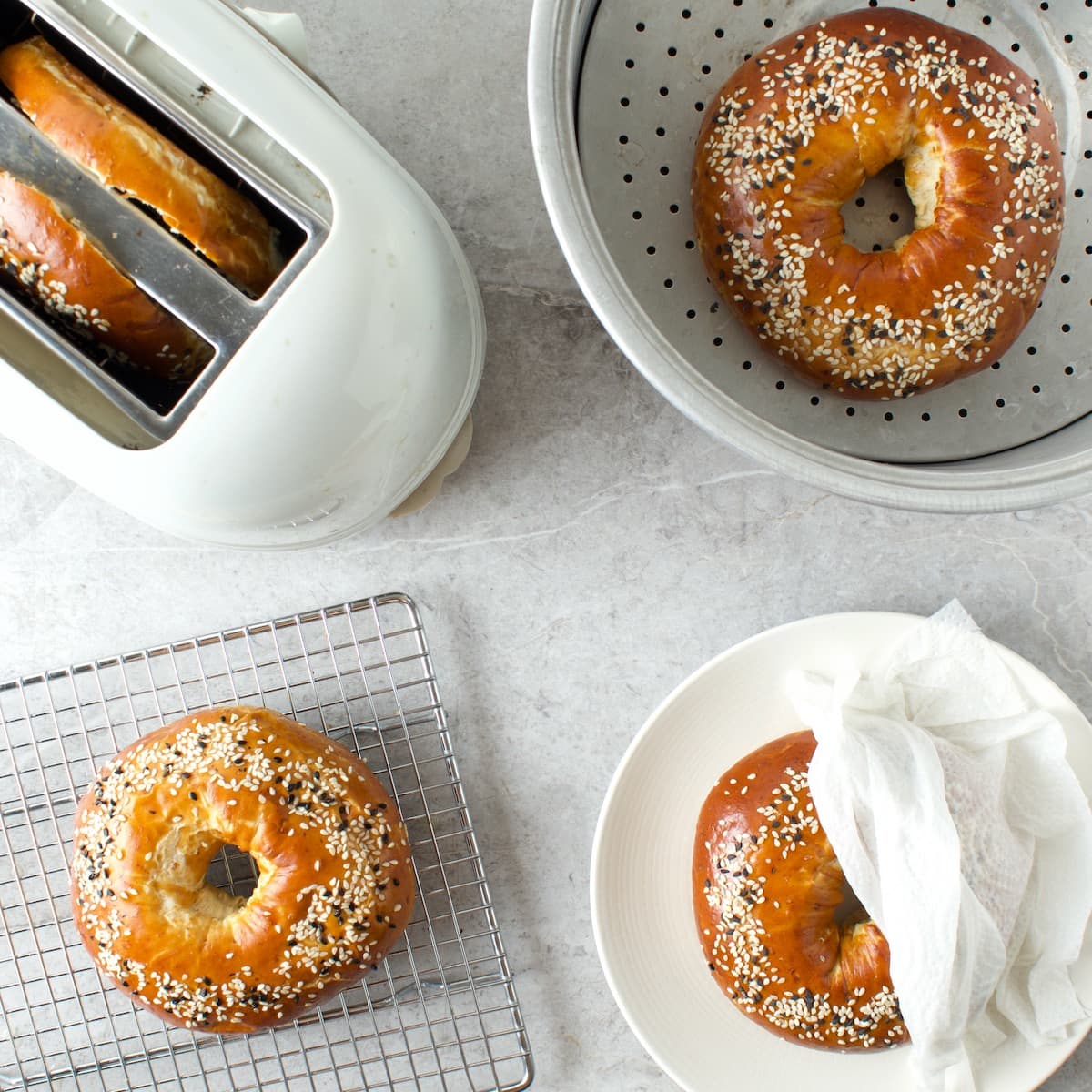
Don't Toss It! Soften Hard Bagels for Near-Fresh Taste
There's a special kind of disappointment that comes with reaching for a once-perfect bagel, only to find it's transformed into a sad, rock-hard disc. Whether you overbought from your favorite local bakery, received an unexpected gift, or simply forgot about them for a day, the sight of stale bagels often leads to a resigned sigh and a trip to the trash can. But what if we told you that throwing away those day-old bagels is a culinary crime you no longer need to commit? With a few simple tricks, you can bring even the most stubbornly hard bagel back from the brink, transforming it into a chewy, delicious treat reminiscent of its fresh-baked glory.
This article will explore the best methods for
how to soften day old bagels, turning potential waste into a delightful meal. Get ready to salvage your snacks and savor every bite!
Why Do Bagels Get Hard? The Science of Staleness
Before we dive into the revival methods, let's quickly understand why bagels lose their spring. It’s not just about drying out, although that plays a role. The primary culprit is a process called starch retrogradation. Freshly baked bread contains starch molecules that are gelatinized and flexible. As the bagel cools and ages, these starch molecules slowly recrystallize, becoming more rigid and causing the bagel to harden and lose its tender texture. This process isn't just about moisture loss; it’s a chemical change in the starch itself.
The good news? By carefully reintroducing moisture and heat, you can reverse this process to a significant degree, allowing those starch molecules to relax and soften once more.
The Quick Fix: Softening Bagels in the Microwave
When speed is of the essence, the microwave is your friend. While it might not deliver the absolute *best* texture compared to other methods, it's incredibly fast and effective for a quick fix, especially when you're in a pinch. The secret here is moisture.
How to Soften Day-Old Bagels in the Microwave:
1.
Prepare the Bagel: Place your hard bagel on a microwave-safe plate.
2.
Add Water: Sprinkle about 8-10 drops of water directly onto the plate around the bagel, or very lightly dampen the bagel itself. You can also wrap the bagel in a slightly damp paper towel. The goal is to create a small amount of steam within the microwave.
3.
Microwave: Heat the bagel for 20-30 seconds. Start with 20 seconds, then check.
4.
Check and Enjoy: Carefully remove the bagel – it will be hot! It should now be significantly softer. If it’s still too firm, you can microwave for another 10-15 seconds, but be careful not to overdo it, as this can make the bagel overly chewy or rubbery.
This method relies on the microwave heating the water, which then creates steam that rehydrates the bagel quickly. It’s fantastic for those mornings when every second counts. For a deeper dive into this specific technique, check out our guide on
Revive Day-Old Bagels: The Simple Microwave Water Trick.
The Gold Standard: Steaming for Near-Perfect Texture
If you have a few extra minutes and want the closest thing to a fresh-baked bagel, steaming is widely considered the superior method. Steaming gently and evenly rehydrates the bagel, restoring its internal softness without drying out the exterior.
Steps for Steaming Stale Bagels:
1.
Prepare your Steamer: You don't necessarily need a dedicated steamer basket. A pot with an inch or two of water and a metal colander or sieve placed over it works perfectly. Ensure the water doesn't touch the bottom of the colander.
2.
Bring to a Boil: Heat the water until it's simmering or gently boiling, producing a steady stream of steam.
3.
Steam the Bagel: Place the whole, hard bagel (do not slice it beforehand) into the steamer basket or colander.
4.
Cover and Steam: Cover the pot (or colander with a lid) and allow the bagel to steam for 3-5 minutes. For very dense or large bagels, you might go up to 6-7 minutes.
5.
Remove and Serve: Carefully remove the bagel with tongs. It will be warm, soft, and wonderfully chewy on the inside, often with a slightly re-crisped exterior.
Steaming ensures the bagel absorbs moisture gradually and thoroughly, leading to that ideal, chewy texture that bagel lovers crave.
Oven Revival: A Great Alternative for a Crisper Crust
The oven offers another excellent way to revive stale bagels, especially if you appreciate a slightly crisp exterior to contrast with a soft, chewy interior. This method is a fantastic alternative if you don't have a steamer or prefer the results.
How to Soften Day-Old Bagels in the Oven:
1.
Preheat Oven: Set your oven to 350°F (180°C).
2.
Briefly Wet the Bagel: Hold the hard bagel under a running tap for just a second or two, letting a thin film of water coat its surface. Don't drench it – a light rinse is enough to provide the necessary moisture for steaming in the oven. Alternatively, you can use a pastry brush to lightly moisten the surface.
3.
Bake: Place the damp bagel directly on the oven rack or on a baking sheet. Bake for 4-7 minutes. The water will turn into steam, rehydrating the inside, while the dry heat of the oven will warm it through and slightly crisp the outside.
4.
Check and Enjoy: Once soft to the touch and warmed through, remove the bagel. Let it cool for a moment before slicing and serving.
This method delivers results nearly as good as fresh, providing a lovely balance of textures.
Comparing the Methods: Which One is Right for You?
Each method for
how to soften day old bagels has its merits, depending on your priorities:
*
Microwave: Unbeatable for speed. Best for a quick snack when you don't mind a slightly chewier texture. Good for single bagels.
*
Steaming: The champion for texture. Delivers the most consistent, soft, and chewy interior. Ideal when you have a few extra minutes and want the best possible result. Great for multiple bagels.
*
Oven: Excellent for a balance of softness and a slightly crisp crust. Takes a bit longer than the microwave but provides superior texture. Good for one or several bagels.
For a comprehensive comparison of these popular methods and their outcomes, be sure to read our detailed analysis in
Stale Bagel Showdown: Steaming vs. Oven vs. Microwave.
While other methods like simply toasting a hard bagel might warm it, they typically don't rehydrate the interior effectively, often leading to a still-dry or even harder bagel. Similarly, a skillet is best for achieving a crispy, buttery exterior on an *already soft* bagel, rather than softening a truly stale one.
Beyond the Method: Tips for Bagel Softening Success
*
Don't Slice First: Always soften the bagel *whole*. Slicing it beforehand exposes more surface area, making it more prone to drying out or becoming soggy during rehydration. Slice it only after it's beautifully soft.
*
Mind the Time: Over-microwaving can lead to a rubbery bagel. Over-steaming or over-baking can make it tough. Always start with the minimum recommended time and add more in small increments if needed.
*
Consider Your Bagel Type: The reference context mentions the unique characteristics of Montreal bagels – thinner, denser, and sweeter than their New York counterparts. While these methods work universally, a denser bagel might require a slightly longer softening time than a fluffier one.
*
Serve Immediately: Rehydrated bagels are best enjoyed right away. They tend to harden again more quickly than fresh bagels once they cool.
Preventing Stale Bagels in the First Place
While it's great to know how to revive them, preventing bagels from going stale is even better!
*
Airtight Storage: As soon as bagels cool (if fresh from the bakery), store them in an airtight bag or container at room temperature for 1-2 days.
*
Freezing for Longer Storage: For anything longer than a couple of days, freezing is your best bet. Slice bagels before freezing, then pop them into a freezer-safe bag. When you're ready to eat one, you can often toast it directly from frozen, or give it a quick zap in the microwave followed by a toast.
Conclusion
Don't let a hard, day-old bagel be a sad story in your kitchen. With these simple, effective methods, you can easily revive them to a delicious, near-fresh state. Whether you opt for the lightning-fast microwave trick, the gold standard of steaming, or the oven's ability to deliver a delightful crust, you now have the power to transform stale into sublime. So, next time you encounter those hardened rounds, remember: don't toss it! Soften it, spread on your favorite cream cheese, and savor every chewy, satisfying bite. Your taste buds (and your wallet) will thank you.